Two monks, one argument
Around 400 CE, a British monk named Pelagius taught that people are free to choose the good. Augustine of Hippo, a brilliant North African bishop, taught the opposite: that since Adam, every human is born corrupted, so damaged we can't even choose God without grace. Augustine had more political power and a bigger following. Church councils condemned Pelagius as a heretic in 418, and Augustine went on to shape Western Christianity, and Western philosophy, more than almost anyone.
It didn't start as a feud. Augustine first wrote of Pelagius with respect, as a holy man who had made real progress in the Christian life. By the end he was calling him an enemy of God's grace, and spending pages explaining why unbaptized infants were damned.
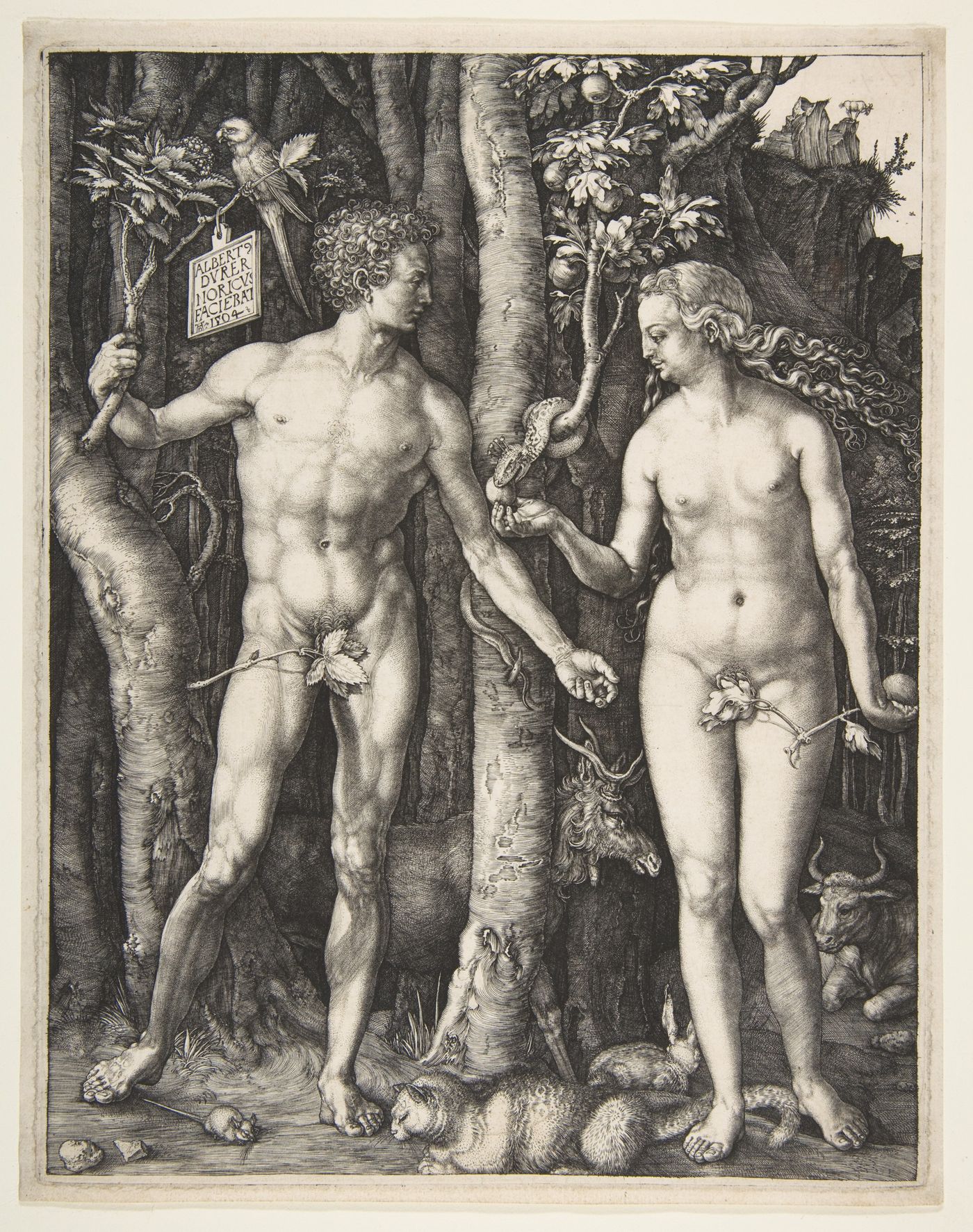
The garden story never says "sin"
Read Genesis 3. A serpent, a fruit, a hiding couple, a sad exit from the garden. The word "sin" doesn't appear until the next chapter, when God warns Cain before he kills his brother (Genesis 4:7). And two chapters before the fruit, Genesis has already said who we are:
God created man in his own image. In God's image he created him; male and female he created them.
Genesis 1:27Jewish tradition reads the garden as a story about growing up, not a curse on every baby. It talks about two impulses in every person, one toward good and one toward selfishness, and our freedom to choose. Luke even ends Jesus' family tree with "the son of Adam, the son of God" (Luke 3:38). Children of God, not children of a crime.
A line from Paul, translated wrong
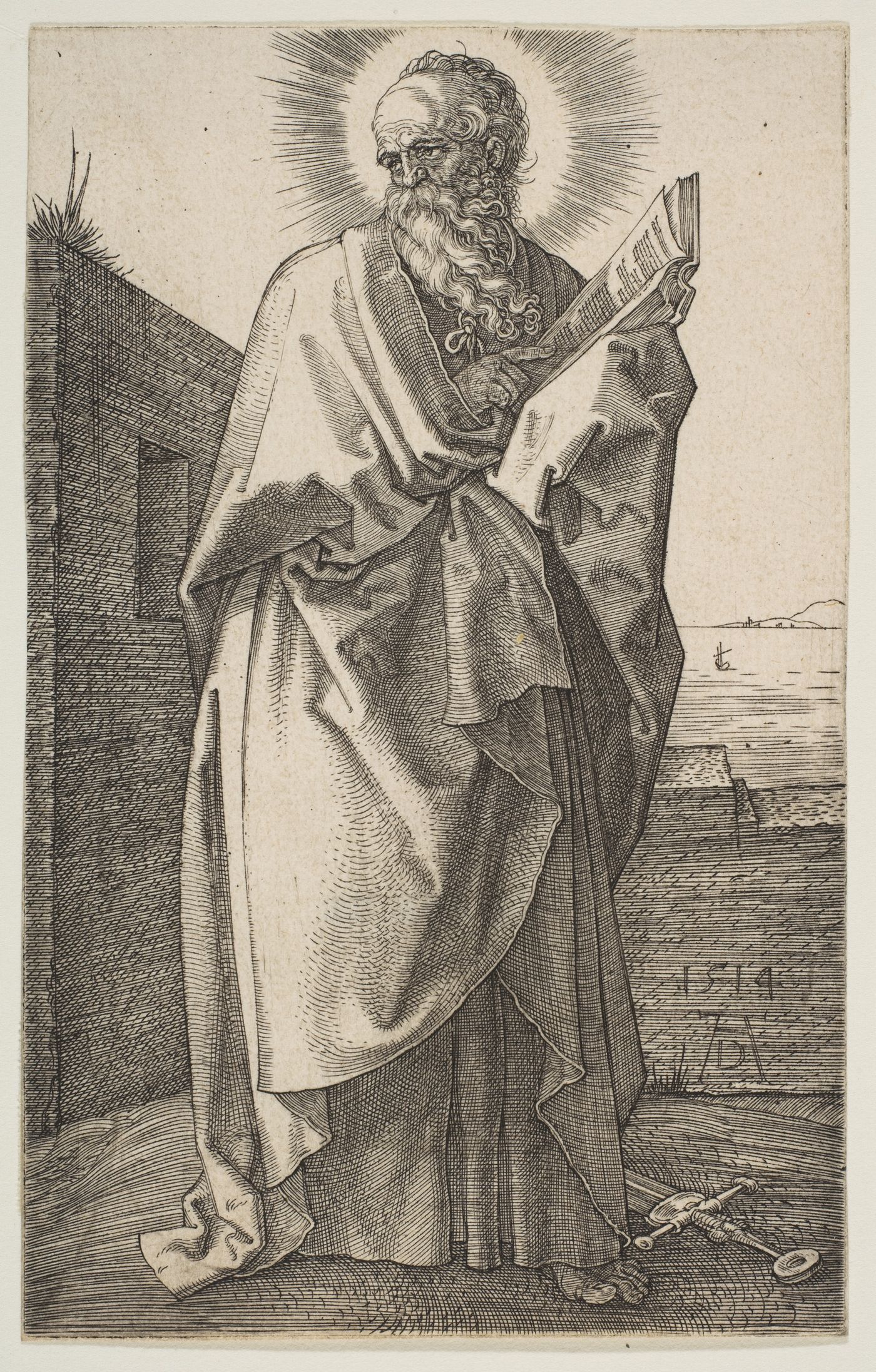
Augustine built the doctrine mostly on Paul, especially one verse:
Therefore, as sin entered into the world through one man, and death through sin; so death passed to all men, because all sinned.
Romans 5:12Notice the end: because all sinned. Augustine read Paul in a Latin translation that said in quo omnes peccaverunt, "in whom all sinned," as if everyone sinned inside Adam's body. That's not what Paul's Greek says. Eastern Orthodox Christianity, which kept reading Paul in Greek, never adopted Augustine's version. It speaks of "ancestral sin": we inherit a broken world and mortality, not Adam's guilt.
Zero words on original sin
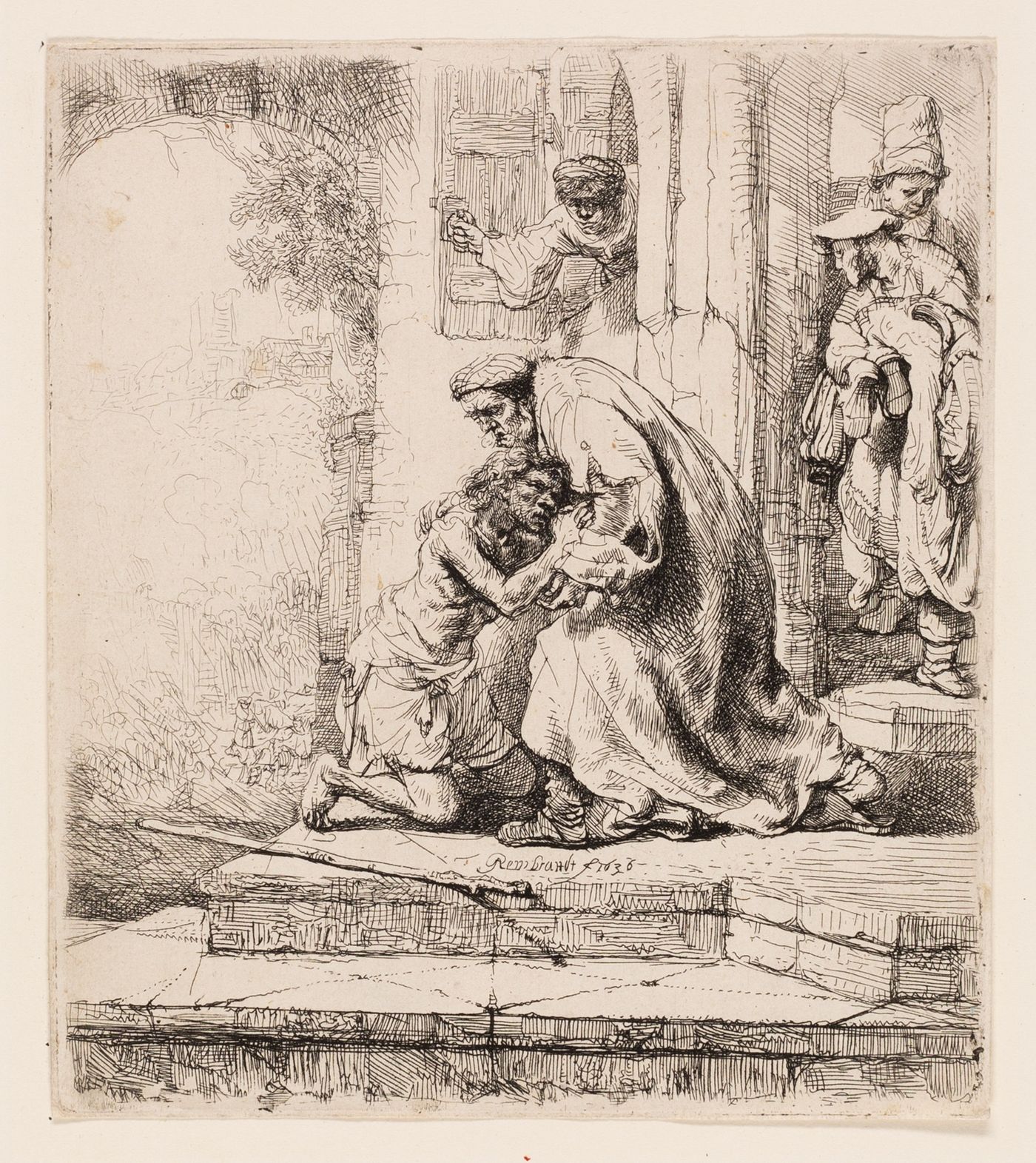
Search all four gospels. You won't find it. What you'll find is a teacher who tells us to feed the hungry and visit people in prison, because "you did it to one of the least of these my brothers, you did it to me" (Matthew 25:40). Who puts a child in the middle of the room and says, become like this (Matthew 18:3). Who tells the story of a father running down the road to hug a son who blew everything (Luke 15).
That's not a teacher who thinks babies are born damned. And this matters beyond theology. If we believe we're rotten at the core, we have no love for ourselves, and we assume the worst about everyone else. Families, communities, and countries start treating each other that way. The truth is the opposite. Our true nature is love.