Mark is quoting a psalm
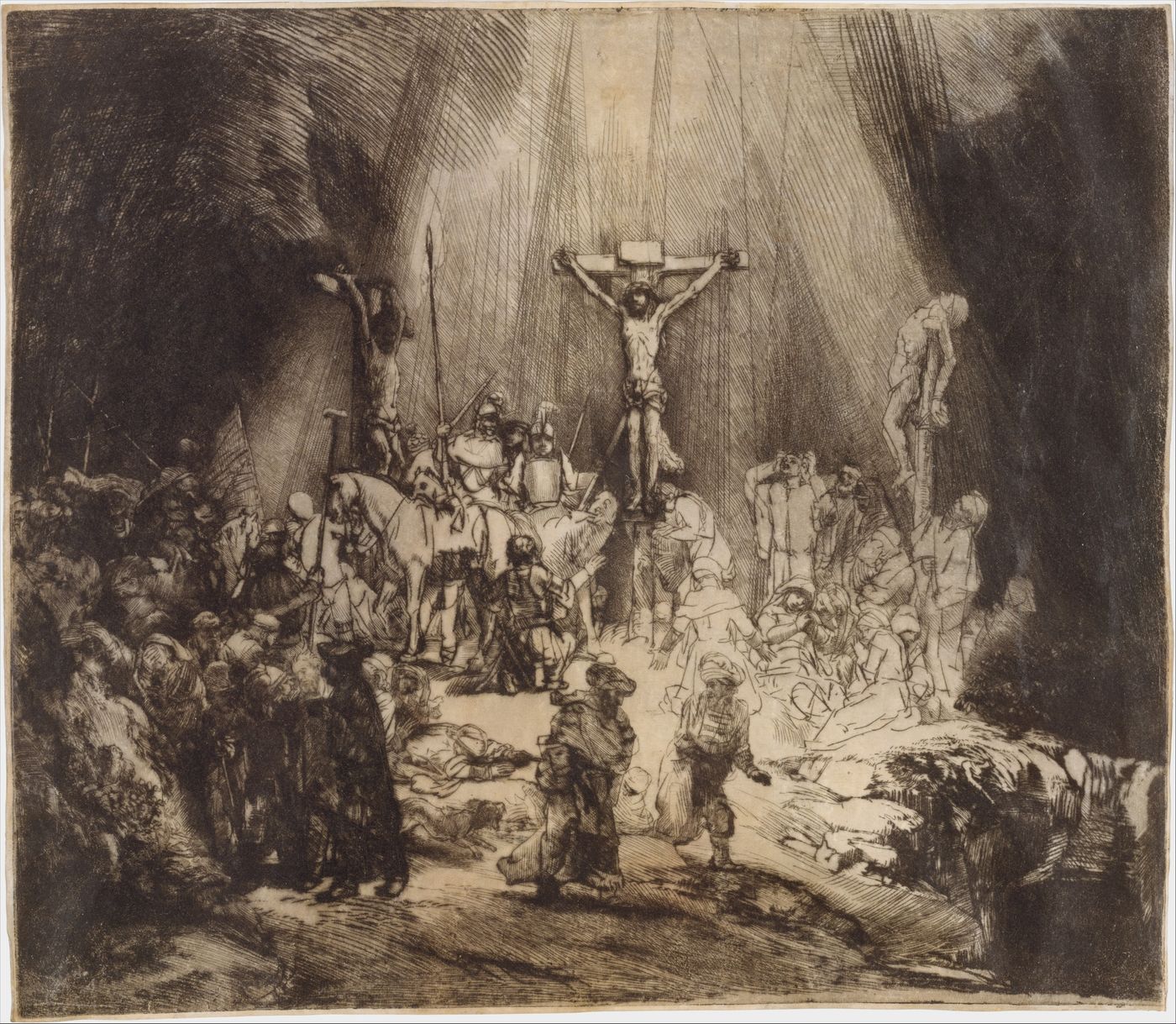
Psalm 22 is the song of a righteous man suffering at the hands of his enemies. It was written centuries before Jesus. Put it next to Mark's crucifixion and the echoes line up one after another:
"My God, my God, why have you forsaken me?"
"My God, my God, why have you forsaken me?"
"They divide my garments among them. They cast lots for my clothing."
"They parted his garments among them, casting lots on them."
"All those who see me mock me... They shake their heads, saying, 'He trusts in Yahweh; let him deliver him.'"
"Those who passed by blasphemed him, wagging their heads... 'He saved others. He can't save himself.'"
"In my thirst, they gave me vinegar to drink."
"One ran, and filling a sponge full of vinegar, put it on a reed, and gave it to him to drink."
Many Christians read these as prophecies fulfilled. Many scholars, and I, read them as the gospel writer's craft. Mark's first readers, many of them steeped in Israel's scriptures, would have caught these psalms, and he told the story in their language. The gospel writers were no dummies. Their stories are full of deliberate symbols.
His last words depend on who you read
- Mark and Matthew: "My God, my God, why have you forsaken me?" (Psalm 22:1)
- Luke: "Father, forgive them, for they know not what they do" (Luke 23:34), and then "Father, into your hands I commit my spirit" (Luke 23:46), which is also a psalm (Psalm 31:5).
- John: "It is finished" (John 19:30).
Each writer chose an ending that fit the Jesus he was portraying. That's not a scandal. It's just what the texts show when you read them side by side. (More on that here.)
To be fair to the other reading: Psalm 22 doesn't end in despair. It turns to trust and praise. Some Christians hear Jesus quoting the first line to call up the whole psalm, the way you might quote the first line of a hymn. Either way, it's a psalm, not a breakdown.
"Father, forgive them"
Father, forgive them, for they know not what they do.
Luke 23:34 (KJV)It's one thing to teach love your enemies on a hillside. It's another to pray for the people killing you while they're doing it. Arrested on charges that made no sense, beaten, paraded through the city, nailed up in front of his mother and his friends, and his concern is for his executioners' well-being. That's Christ consciousness. That's union with all of creation. It's the reason we're still talking about a working-class carpenter from a small town two thousand years later.
Full disclosure: this line is missing from some of the oldest manuscripts. Scholars are split, and some make a good case that early scribes cut it rather than added it. It's in many other early copies, and early church writers quote it. I believe it.